










































Best Child-Friendly Movies For Entertainment And Healthy Brain Development
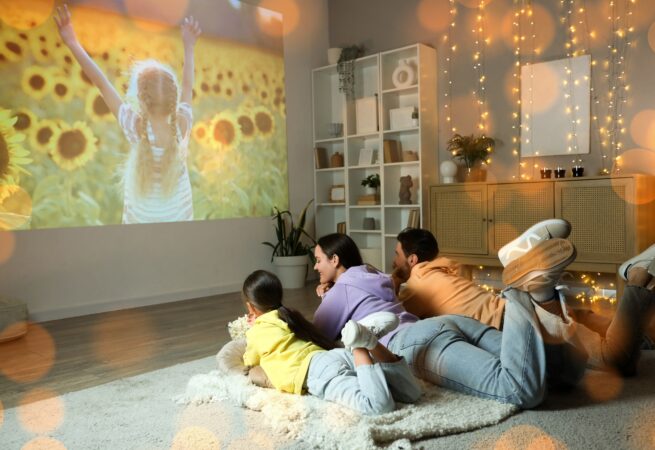
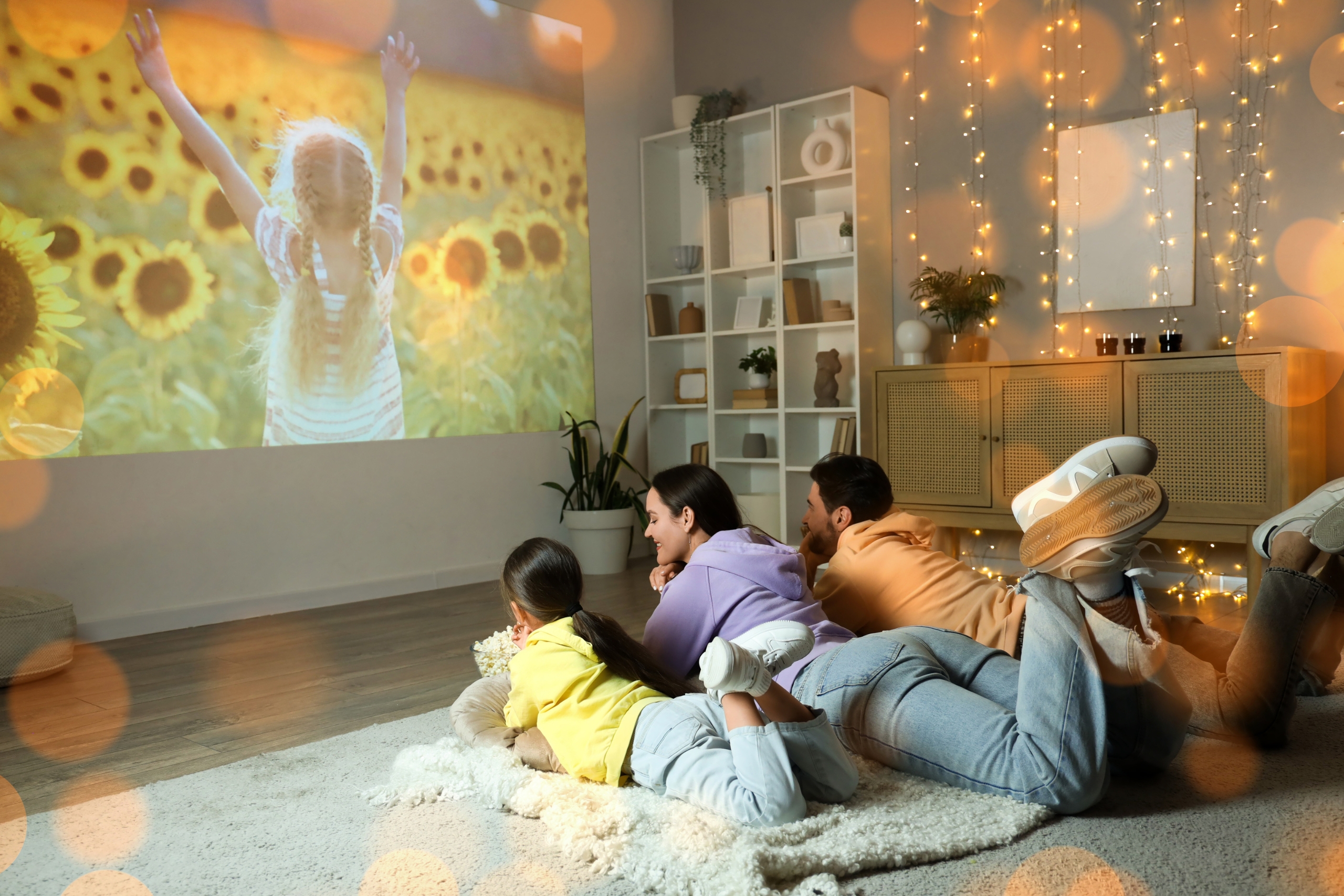
Movies play a significant role in childhood entertainment. Beyond fun and laughter, films can influence imagination, emotional intelligence, creativity, and even cognitive growth. Parents and guardians often wonder whether screen time can remain enjoyable without negatively affecting brain development. The good news is that many well-crafted movies are designed to stimulate curiosity, teach valuable lessons, and encourage positive thinking while still being highly entertaining.
Choosing age-appropriate and thoughtfully produced films allows children to enjoy storytelling without exposure to overwhelming themes. Animated features, adventure stories, and educational films can inspire creativity and empathy when viewed in moderation. It is important to remember that healthy brain development depends not only on movie content but also on balanced routines, including play, reading, and social interaction. By selecting suitable titles and maintaining mindful viewing habits, families can create enriching movie experiences that support both entertainment and development.
Animated Films That Encourage Creativity and Imagination
Animated movies often stimulate imagination through vibrant visuals and imaginative storytelling. Titles such as Toy Story, Finding Nemo, and Encanto combine engaging plots with emotional lessons about friendship, courage, and family values.
These films encourage creative thinking and empathy while avoiding overly complex or distressing themes. The storytelling typically includes clear moral lessons that children can understand and discuss with adults.
Within curated family-friendly movie recommendations and child-safe entertainment viewing guides, animated films remain a reliable choice for balanced entertainment.
Parents can enhance the experience by asking children about their favorite characters or lessons learned.
Interactive discussions strengthen comprehension and emotional development.
Adventure and Fantasy with Positive Messages
Adventure films such as Paddington, The Chronicles of Narnia, or Moana introduce children to bravery, teamwork, and perseverance.
Fantasy elements spark imagination while emphasizing responsibility and kindness. When age-appropriate, these stories inspire problem-solving skills and moral reasoning.
Within thoughtful educational entertainment films and positive media influence strategies for kids, adventure stories can support healthy cognitive engagement.
Parents should review content ratings to ensure suitability.
Guided viewing promotes thoughtful understanding.
Educational and Science-Inspired Movies
Films that incorporate science, exploration, or discovery can nurture curiosity. Movies like Wall-E, Zootopia, and select nature documentaries encourage children to ask questions about the world around them.
These films subtly introduce environmental awareness, social cooperation, and critical thinking concepts.
Within supportive brain development-friendly media choices and mindful children’s screen time planning, educational movies provide both fun and learning.
Exposure to informative content stimulates intellectual curiosity.
Balanced educational storytelling strengthens comprehension skills.
Gentle Comedies That Promote Emotional Intelligence
Lighthearted comedies such as The Peanuts Movie or Paddington 2 promote humor without harsh or inappropriate content.
These films highlight kindness, resilience, and understanding differences. Humor can reduce stress and encourage social bonding.
Within nurturing child development-conscious entertainment selections and age-appropriate film viewing practices, gentle comedies foster emotional awareness.
Laughter supports positive mood regulation.
Healthy humor enhances family connection.
Importance of Moderation and Parental Guidance
Even high-quality movies should be viewed in moderation. Screen time should complement outdoor play, reading, and social activities.
Parental involvement strengthens the benefits of media exposure. Watching together allows adults to clarify themes and answer questions.
Within balanced responsible media consumption habits and supportive childhood growth strategies, moderation remains essential.
Every child responds differently to content.
Selecting appropriate movies depends on age and maturity.
It is also important to note that if certain child-friendly films are not mentioned here, it does not mean they are unsuitable. Many other wholesome movies exist that support healthy development. Families are encouraged to evaluate content based on their child’s unique needs and preferences.
Conclusion
Choosing child-friendly movies that entertain without negatively affecting brain development involves thoughtful selection and mindful viewing habits. Animated features, positive adventure stories, educational films, and gentle comedies can encourage creativity, empathy, and curiosity when consumed responsibly. The key lies not only in the movie itself but also in moderation, age-appropriate choices, and active parental guidance. Balanced screen time combined with meaningful conversations helps children process themes in healthy ways. While this list highlights several examples, many other appropriate films can also support positive development. Every family’s preferences and values may differ, and parents are encouraged to explore options that align with their child’s maturity level and interests. Ultimately, movies can be a powerful tool for bonding, learning, and inspiration when chosen carefully and integrated into a balanced lifestyle.
Senior High School Strands Explained: How Specialized Academic Tracks Work In Different Countries
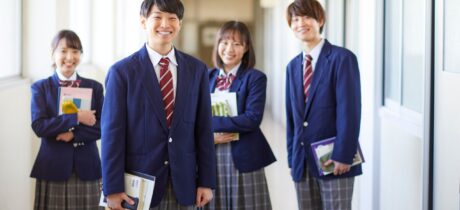
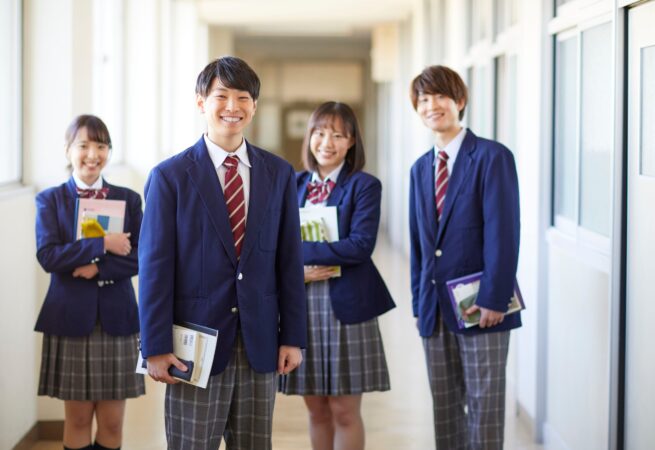
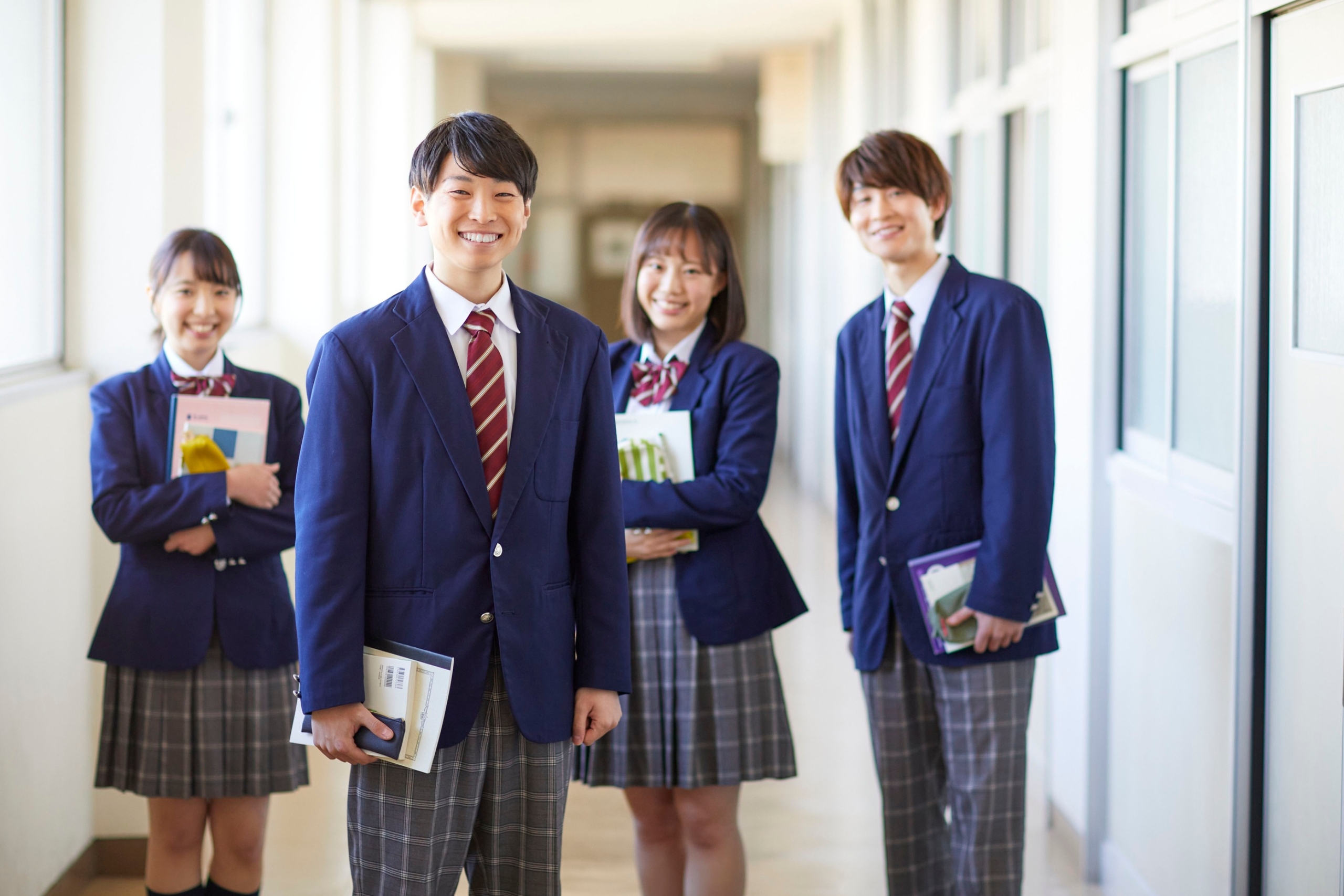
Senior high school represents a crucial stage in a student’s academic journey. In several countries, this level of education includes a strands or track system designed to help students focus on subjects aligned with their interests, strengths, and future career goals. Instead of following a single general curriculum, learners choose specialized academic pathways that prepare them for university studies, technical careers, or direct employment.
The strands system aims to provide clearer direction before higher education. By introducing specialization during the final years of secondary school, students gain foundational knowledge relevant to their chosen field. However, the structure and implementation of senior high school tracks vary across countries. Some systems emphasize academic preparation, while others focus on vocational or technical training. Understanding how different nations approach senior high school specialization offers valuable insight into global education models and career readiness strategies.
What Is the Senior High School Strands System?
The strands system divides senior high school into specialized academic or vocational tracks. Students typically choose a strand based on career interests, academic strengths, or long-term plans.
Common strands include Science, Technology, Engineering, and Mathematics (STEM), Humanities and Social Sciences (HUMSS), Business and Management, Arts and Design, and Technical-Vocational tracks.
Within structured secondary education specialization programs and career-oriented learning pathways, the goal is to align coursework with future aspirations.
Specialization provides focused skill development.
Students gain clearer academic direction before college.
Countries That Implement Academic Track Systems
Several countries implement variations of the strands system. In some Southeast Asian nations, senior high school includes formal academic and technical tracks designed to prepare students for university or employment.
European countries often use vocational and apprenticeship-based systems integrated into upper secondary education. Meanwhile, some North American schools offer elective-focused pathways rather than fixed strands.
Within comparative global education system models and senior secondary curriculum frameworks, structures differ based on national priorities.
Each system reflects economic and workforce demands.
Educational flexibility varies across regions.
Advantages of Specialized Strands
One major advantage of the strands system is early career exposure. Students explore subjects aligned with their interests before entering higher education.
Specialized tracks can reduce the gap between school and employment by developing practical skills.
Within evolving career readiness education and skills-based academic development strategies, focused learning enhances preparedness.
Students often feel more motivated when studying chosen disciplines.
Clear direction may reduce uncertainty about future paths.
Challenges and Criticisms of the Strands System
Despite its benefits, specialization at a young age may limit flexibility. Some students may feel pressured to decide too early.
Switching strands can be difficult in rigid systems. Additionally, unequal resource distribution may affect program quality.
Within critical education policy evaluation and academic pathway assessment discussions, balancing specialization with adaptability remains essential.
Flexibility supports changing interests.
Continuous curriculum improvement strengthens outcomes.
The Future of Senior High School Specialization
Education systems continue to evolve. Some countries are integrating digital literacy, entrepreneurship, and interdisciplinary subjects into strands.
Hybrid models combining academic and technical elements are emerging. Career counseling services also play a larger role in guiding student decisions.
Within forward-looking innovative secondary education reform and student-centered curriculum development initiatives, adaptability shapes future systems.
Education models aim to prepare students for dynamic job markets.
Specialization continues to evolve globally.
Conclusion
The senior high school strands system represents a significant shift toward specialized and career-focused education. By allowing students to choose academic or vocational tracks aligned with their interests, many countries aim to improve readiness for higher education and employment. While the structure varies globally, the shared objective is to provide clearer academic direction during the final years of secondary education. Specialization can enhance motivation and skill development, but flexibility and informed guidance remain critical to avoid limiting opportunities. As educational systems adapt to changing economic and technological demands, senior high school models are likely to become more integrated and student-centered. Ultimately, the success of the strands system depends on balanced implementation, accessible resources, and continuous curriculum refinement to meet the evolving needs of learners worldwide.